
“Why Did I Play That Shot?” – The Psychology Behind Poor Shot Selection in Cricket
Every cricketer knows the feeling.
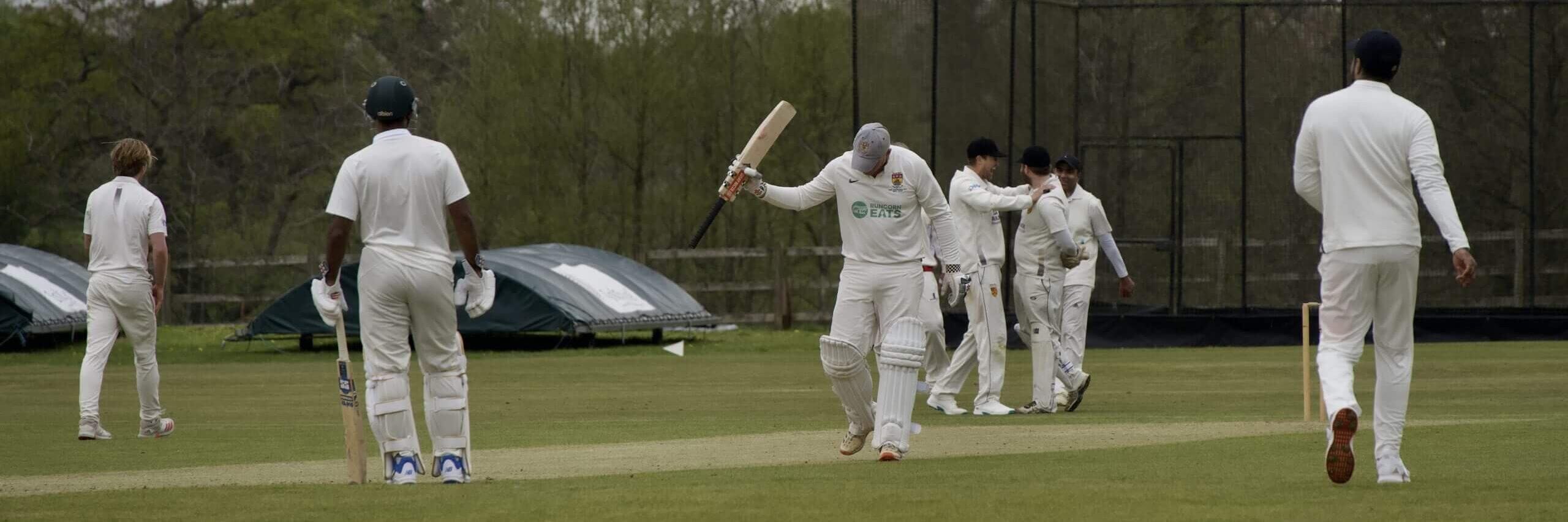
You’ve done the hard work, battled through testing conditions, started to feel in control—and then suddenly, you find yourself walking off the pitch, replaying a reckless drive, an unnecessary sweep, or a mistimed pull shot in your mind. You mutter the inevitable question: “Why did I play that shot?”
Poor shot selection in cricket is one of the most frustrating ways to lose your wicket. But it’s not just a technical issue—it’s often a symptom of deeper mental errors. And by understanding the psychology behind these moments, players and coaches can unlock smarter, more consistent performance at the crease.
What Causes Poor Shot Selection When Batting?
There’s no single reason why batters make poor shot choices. It’s rarely about ability. Often, it’s about mindset, decision-making under pressure, and situational awareness.
1. Mental Fatigue and Concentration Lapses
Shot selection errors commonly occur after prolonged concentration or in high-stakes situations. As mental fatigue sets in, the brain’s capacity for sharp decision-making declines—a concept supported by cognitive load theory (Sweller, 1988). Even technically sound players may lose focus and misjudge line, length or tempo.
2. Emotional Triggers and Impulse Decisions
Batters frequently make poor decisions when emotions override their plan. Frustration after dot balls, a rush of adrenaline after a boundary, or pressure to “do something” for the team can cloud judgement. According to Baumeister’s research on self-control (1998), emotional regulation is key to performance in pressure environments.
3. Lack of Clarity or a Defined Game Plan
Without a clear pre-ball intention, players get caught in two minds. Uncertainty is a breeding ground for bad decisions. At Cricket Mind Online, we see this regularly with junior and senior players who would benefit from developing their understanding of situational batting and shot selection principles.
4. Mismatch Between Intention and Skill Execution
Wanting to dominate is one thing. Having the timing or technical consistency to back it up is another. Common cricket mistakes happen when players attempt high-risk shots that aren’t within their high-probability scoring zones.
How to Improve Shot Selection in Cricket
The good news? Like any cricket skill, better decision-making at the crease can be trained.
Here are evidence-backed strategies to help players at all levels stop making poor shot choices in cricket:
1. Use Pre-Ball Routines to Stay Focused
A simple, consistent routine before each ball can significantly improve focus and intention. Research from sport psychologist Terry Orlick (2008) highlights that routines help athletes maintain concentration and manage nerves.
Include visualisation, a deep breath, and a mental cue like “play straight” or “watch the ball.”
2. Train Game Awareness
Understanding the match context—field settings, run rate, your role in the innings—is critical. Coaches should simulate scenarios in training that require players to adapt shot selection under pressure.
This is a cornerstone of developing smart shot selection.
3. Reflect After Every Dismissal
Instead of just asking “What shot did I play?” ask:
- What was I trying to do?
- Was it the right option based on the match situation?
- What emotion was I feeling at the time?
Over time, this type of reflective practice leads to better decision-making under pressure.
4. Simulate Pressure in Practice
Set up drills that force players to build an innings or chase a total under time pressure. These cricket practice routines create realistic mental demands, improving performance mindset and batting discipline.
Why Junior Cricketers Make Bad Shot Selections
In youth cricket, poor cricket batting decisions are often the result of underdeveloped self-awareness, emotional regulation, and cognitive maturity. This doesn’t mean they aren’t talented—it just means they need support developing the mental approach to batting.
At Cricket Mind Online, we work with players as young as nine to help them:
- Build pre-ball routines
- Stay calm under pressure
- Recover from mistakes
- Improve focus and shot choice through visualisation and self-talk
This type of mindset coaching lays the foundation for long-term success.
The Role of Coaches and Parents
Shot selection isn’t just a player responsibility—it’s also shaped by the language and environment created by coaches and parents. Effective coaching feedback focuses on the decision rather than the outcome.
Use video reviews or shadow practice to reinforce good decisions, not just good results. Helping players develop self-awareness and resilience after a poor decision is far more valuable than simply correcting technique.
Final Thought: Smarter Choices Build Better Batters
Ultimately, the best batters don’t play the flashiest shots—they play the right shots, more often, in the right moments.
Poor shot selection in cricket doesn’t mean you’re a bad player. It means there’s room to grow your mental game, sharpen your focus, and improve your decision-making under pressure.
References
- Baumeister, R. F. (1998). The self-control strength model of self-regulation. Psychological Inquiry.
- Orlick, T. (2008). In Pursuit of Excellence: How to Win in Sport and Life through Mental Training.
- Sweller, J. (1988). Cognitive Load During Problem Solving: Effects on Learning. Cognitive Science.


